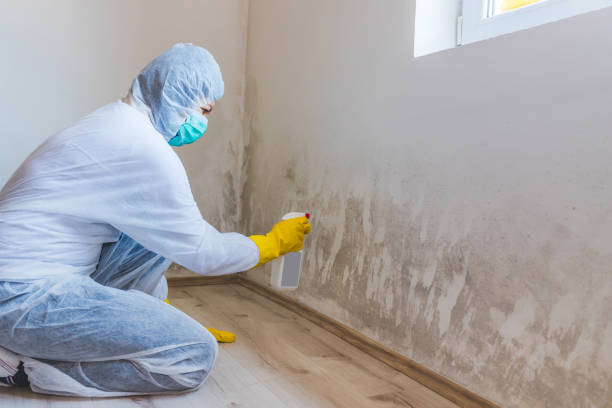
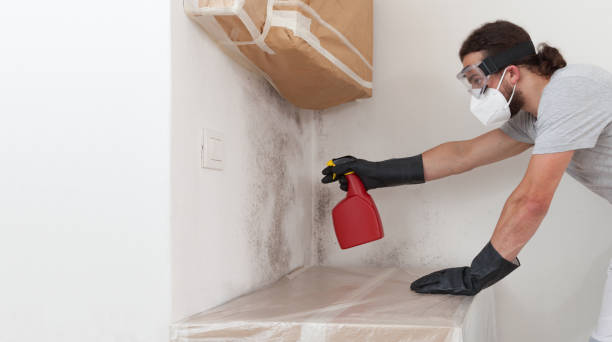
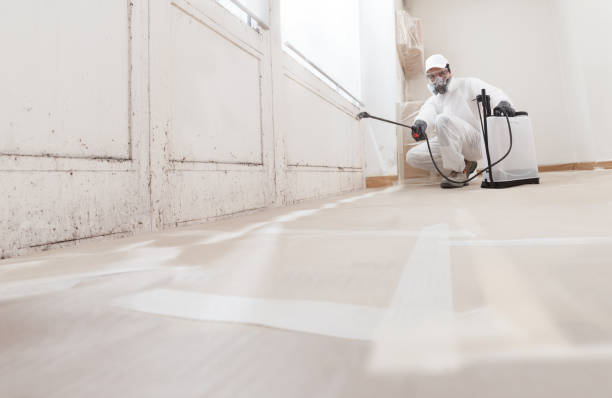
From initial assessment to independent clearance — full black mold protocol in Oregon City, OR.
🔍
Black Mold Identification & Assessment
Visual black or dark green coloring doesn't always mean Stachybotrys. We confirm species via lab analysis before applying the enhanced protocol. Some black-appearing molds are Cladosporium or Aspergillus niger — still warrant removal, but different containment tier.
😷
Full PPE & Containment Setup
Before any Stachybotrys removal begins in a Oregon City property, our crew establishes Type III containment: double-layer polyethylene barriers floor-to-ceiling, HEPA negative air machines creating inward airflow, and a decontamination station at containment entry. Full Tyvek coveralls and N100 respirators worn by every technician in the work zone.
🔨
Complete Stachybotrys Material Removal
Stachybotrys on drywall, ceiling tiles, or subflooring means those materials must be removed — not treated in place. The mycotoxin-containing material itself is the hazard, and surface biocides don't render it safe or remove it from your Oregon City property. We remove contaminated materials, bag them in heavy-duty poly, and dispose of them through proper waste channels.
💧
Structural Surface Treatment & Encapsulation
After contaminated materials are removed, exposed structural framing is HEPA-vacuumed, treated with EPA-registered fungicide, and where appropriate, sealed with mold-resistant encapsulant. This dual approach — chemical treatment plus physical barrier — is the standard for Stachybotrys-affected structural materials in Oregon City, OR.
📋
Independent Post-Removal Air Testing
Independent IH clearance sampling after every Black Mold Removal job. Written lab report confirming post-removal air quality — not just our assessment that the work is done.
🏗
Moisture Source Identification & Correction
Black mold doesn't grow without a chronic moisture source. We find it, document it, and tell you exactly what needs to be fixed. Removal without source correction in your Oregon City property means we'll see the same problem again in 6–12 months.